Image Gallery
About First Street Green Cultural Park
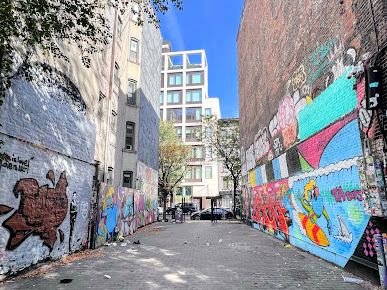
First Street Green Cultural Park sits at 33 E 1st Street on Manhattan’s Lower East Side, occupying a narrow but vibrantly expressive urban strip between apartment buildings. Although it spans just a few tenths of an acre, this park makes a big impression thanks to its bold murals, flexible event space, and deep community resonance.
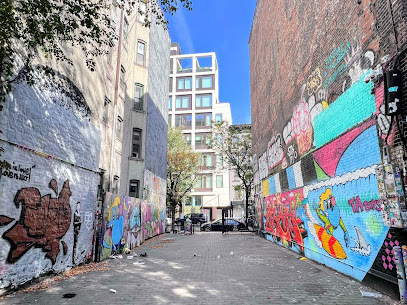
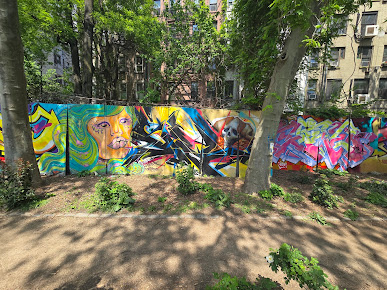
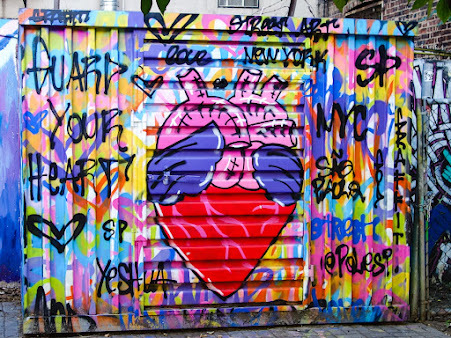
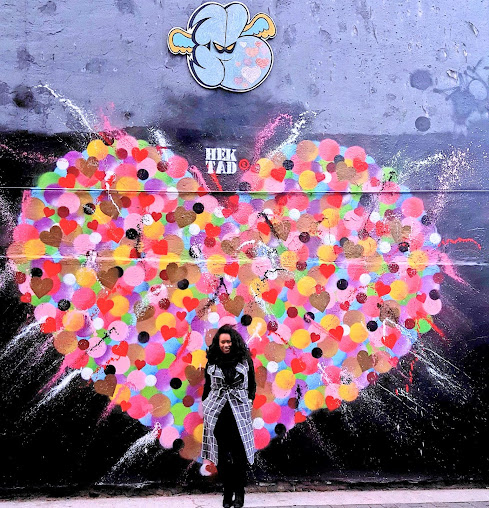
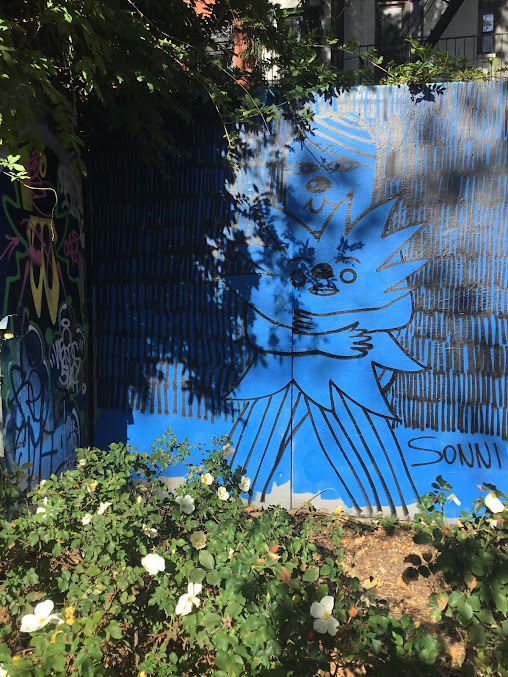
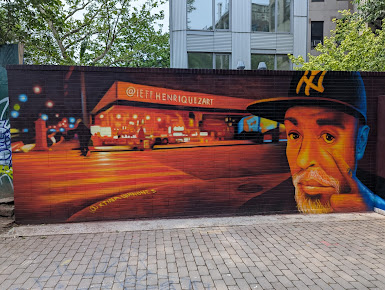
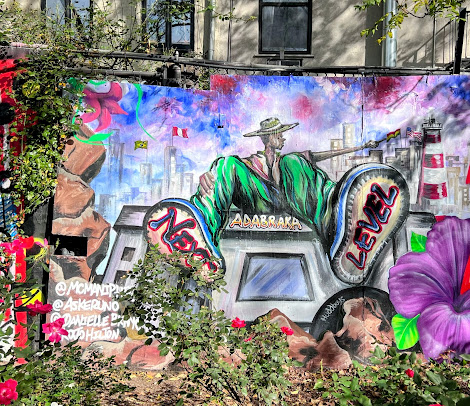
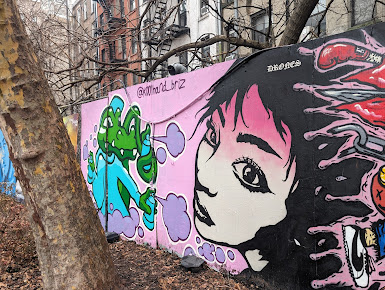
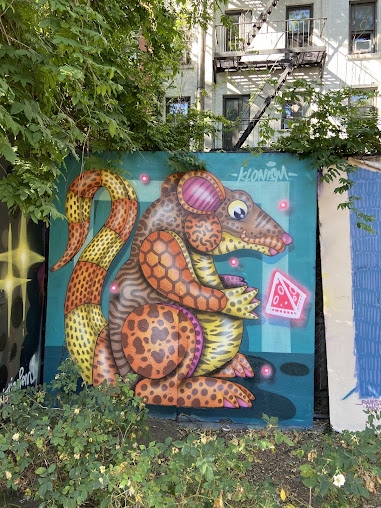
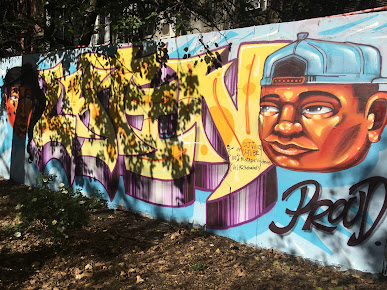
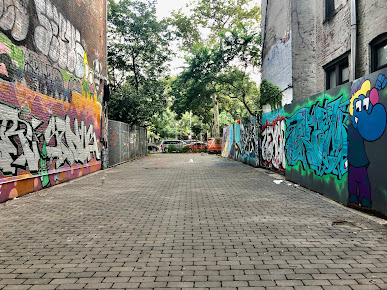
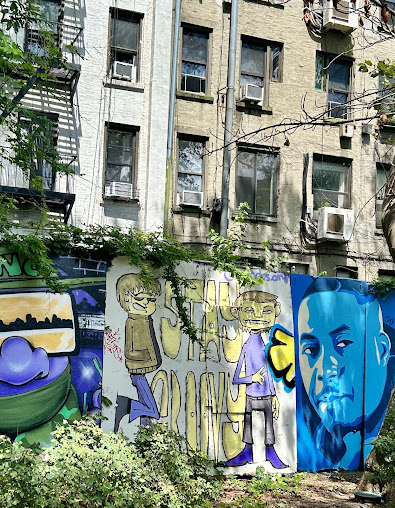
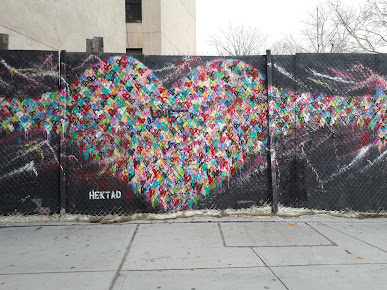
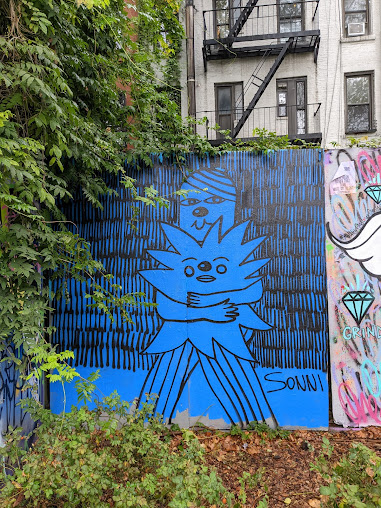
From its repurposed lot roots, the park has evolved into a grassroots canvas for street art. Colorful murals line both sides of the space, painted by emerging and established artists. Themes range from political commentary to portraits of local figures, all refreshed regularly so there’s always something new to discover. The graffiti‑inspired designs give the park an energetic vibe that feels relevant and raw, reflecting the neighborhood’s creative spirit.
A narrow pathway runs through the center—not quite a formal trail, but enough for strolling or pausing to observe. Along this walk, benches or low stone walls appear at intervals, inviting visitors to linger. Native planting patches and low greenery soften the paved edges. With a mix of shade from mature street trees overhead and open sky, the ambiance remains casual, urban, yet inviting.
The park is known more for art and cultural life than sports or traditional playgrounds. During summer weekends, it springs to life with pop‑up performances—music sets, spoken‑word nights, poetry readings and small outdoor lectures organized by local groups. Community art workshops for all ages often happen in the open courtyard, drawing neighbors and curious passersby into simple participatory projects.
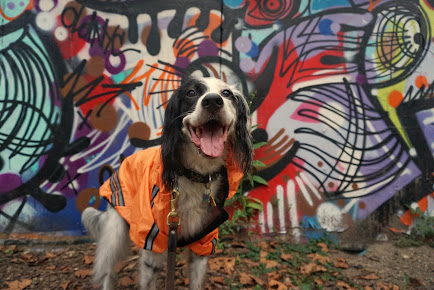
While it doesn’t have fixed play equipment, the park’s informal layout is child‑friendly—kids draw chalk art on the pavement, follow vines along the edges, or simply explore in a creative space that feels safe and communal. It also serves as a central meeting point: friends gather, couples explore murals together, and dog owners wander through while admiring artworks.
First Street Green Cultural Park doubles as a subtle transit pause zone. A few local residents, office workers, or tourists often cut through to nearby streets, ending up spending ten or twenty minutes absorbed in the mural gallery. Others come intentionally—camera in hand—to photograph new works or seek a creative digital backdrop.
Landscaping is minimal but intentional. Hard paving allows for ease of walking or standing during events. Soil beds with seasonal plantings soften the space, while climbing vines and small shrubs add color and texture. The fences and walls become curated exhibition surfaces, framed by a strip of greenery at their base.
At dusk, soft lighting illuminates key spots—graffiti walls, benches, and the pathway—letting visitors continue to enjoy the space as it cools down. Though no formal hours are posted, the park feels most active midday through early evening, when performances or visual installations bring the space to life.
Despite its compact footprint, the park packs community, creativity, and cultural programming into each square foot. It’s less of a passive greenspace and more of a dynamic gathering place where public art and local connection happen naturally, breathing life into the Lower East Side’s creative soul.